

sand blasting mirrors
Understanding Thread Ring Gauge Standards Thread ring gauges are precision instruments utilized in manufacturing and quality control to measure the external dimensions of threaded components. They serve as indispensable tools for ensuring that threaded parts fit together correctly, which is crucial for various industrial applications. The significance of standardizing thread ring gauges lies in their ability to ensure compatibility and functionality among threaded components across different manufacturing processes. Definition and Function A thread ring gauge is a cylindrical tool featuring internal threads that conform to the specifications of a given standard thread profile. These gauges are categorized primarily into two types go gauges and no-go gauges. The go gauge checks whether a threaded part is within acceptable limits, while the no-go gauge ensures that it does not exceed maximum size tolerances. The effective use of these gauges guarantees that manufactured threads will engage adequately and resist failure during use. Importance of Standards The manufacturing of threaded components often takes place in diverse environments, utilizing varying equipment and materials. As a result, discrepancies in thread dimensions can occur, leading to compatibility issues. Hence, international standards are crucial in providing uniformity. Organizations such as the American National Standards Institute (ANSI), the International Organization for Standardization (ISO), and the German Institute for Standardization (DIN) develop and publish standards that specify thread dimensions, tolerances, and gauge specifications. These standards ensure that manufacturers adhere to consistent norms, thereby increasing the reliability of threaded joints. Thread Gauge Specifications The standards for thread ring gauges typically specify the following parameters thread ring gauge standard 1. Thread Profile This includes the shape and dimensions of the thread, which can vary, such as Unified National Thread (UN), metric threads, or British Standard Whitworth (BSW). Each profile has unique specifications governing its geometry. 2. Tolerances Tolerances dictate how much deviation from the nominal thread dimensions is permissible. These standards are critical for determining the 'fit' between engaging parts, influencing how tightly or loosely they will assemble. 3. Material and Treatment The materials used for gauges, such as tool steel or carbide, along with any necessary heat treatment processes, are specified to ensure durability and precision in measurements. 4. Calibration and Certification Regular calibration against master gauges is necessary to maintain accuracy over time. Certification from recognized standards organizations assures users that the gauges meet prescribed tolerances. Application Across Industries Thread ring gauges find applications across various sectors, including automotive, aerospace, and manufacturing. In these industries, the integrity of threaded connections is paramount for safety and performance. For instance, in the aerospace sector, any failure in threaded joints can have catastrophic consequences. As such, stringent adherence to thread ring gauge standards helps mitigate risks associated with these essential components. Conclusion In summary, thread ring gauge standards play a pivotal role in the manufacturing and quality assurance processes of threaded components. By adhering to internationally recognized specifications, manufacturers can ensure that their products meet necessary safety and functionality criteria. The standardized approach not only promotes interoperability between components but also enhances the overall reliability and performance of assembled products in critical applications. As industries continue to evolve, the importance of these gauges will only grow, underpinning the need for precision in an increasingly interconnected world.
about
sand blasting mirrors
Understanding Standard Thread Gauges A Comprehensive Overview Thread gauges are essential tools used in various industries to measure and verify the dimensions and characteristics of threads on fasteners such as screws, bolts, and nuts. Among the many types of thread gauges, the standard thread gauge plays a crucial role in ensuring consistency and accuracy in thread measurements. This article explores what standard thread gauges are, their significance, types, applications, and maintenance tips. What is a Standard Thread Gauge? A standard thread gauge is a measuring instrument specifically designed to check the pitch, diameter, and profile of threads against established standards. These gauges help ensure that threaded components fit together correctly, which is vital in maintaining the integrity and functionality of mechanical assemblies. The standards typically adhere to guidelines set forth by organizations such as the American National Standards Institute (ANSI), International Organization for Standardization (ISO), and others. Importance of Standard Thread Gauges The significance of standard thread gauges cannot be overstated. In manufacturing and engineering, precise measurements are critical. Incorrect thread dimensions can lead to improper fitment, which may result in component failure, safety hazards, and costly downtime. By using standard thread gauges, technicians and quality control professionals can ensure that threads meet specified requirements and thus maintain the reliability of their products. Types of Standard Thread Gauges There are several types of standard thread gauges, each serving a specific purpose 1. Plug Gauges These gauges measure the internal threads of holes and are designed to fit into the thread. They often come in two forms GO and NO-GO gauges. The GO gauge should fit easily, while the NO-GO gauge should not fit, ensuring that the internal threads are within acceptable tolerances. 2. Ring Gauges These measure external threads and serve a similar purpose as plug gauges. Users can determine if the external threads of a bolt or screw are within specifications by attempting to fit the threaded component into the gauge. 3. Thread Pitch Gauges Used to measure the pitch (the distance between threads) of both internal and external threads, these gauges come as a series of blades with various pitch sizes marked on them. Users can identify the pitch by matching the blade to the threads. 4. Calibrated Measuring Tools Some engineers prefer calipers or micrometers calibrated for threads. These tools can provide detailed measurements of thread depth, diameter, and pitch, giving a more comprehensive view of the threading. Applications of Standard Thread Gauges standard thread gauge Standard thread gauges find applications in various fields including 1. Manufacturing In factories where precision parts are produced, thread gauges ensure that threaded components meet specified requirements before assembly, thereby preventing quality control issues. 2. Automotive and Aerospace The automotive and aerospace industries rely heavily on threaded components, and any failure in these areas can have catastrophic results. Thread gauges are critical in ensuring that all fasteners are correctly sized and fitted. 3. Construction In construction projects, proper fastening is essential to structural integrity. Standard thread gauges verify that anchor bolts and other fasteners meet safety standards. 4. Maintenance and Repair Technicians involved in maintenance and repair work use thread gauges to assess the condition of existing threaded components, which is crucial for making informed decisions on replacements or repairs. Maintenance of Thread Gauges To ensure lasting performance, standard thread gauges require proper maintenance 1. Cleaning Regular cleaning is essential to remove contaminants that could affect measurement accuracy. Use appropriate cleaning solutions that do not damage the gauge material. 2. Calibration Routine calibration is crucial to maintain measurement accuracy. Follow the manufacturer's guidelines for calibration intervals and procedures. 3. Storage Store thread gauges in a clean, dry environment, away from potential sources of damage. Use protective cases or racks to prevent physical damage. Conclusion In conclusion, standard thread gauges are indispensable tools in ensuring the quality and safety of threaded components across various industries. Their ability to guarantee that threads meet established standards is invaluable in manufacturing, automotive, aerospace, construction, and maintenance sectors. By understanding their types, applications, and maintenance, professionals can utilize these tools effectively, enhancing the reliability of their projects and ensuring operational excellence.
-

High quality industrial productsagement

High quality industrial products
View Details -

Meet the diverse needs of customers

Meet the diverse needs of customers
View Details -

Strict quality control

Strict quality control
View Details -

Top raw materials

Top raw materials
View Details -

Trusted supplier

Trusted supplier
View Details
Our application




news and information
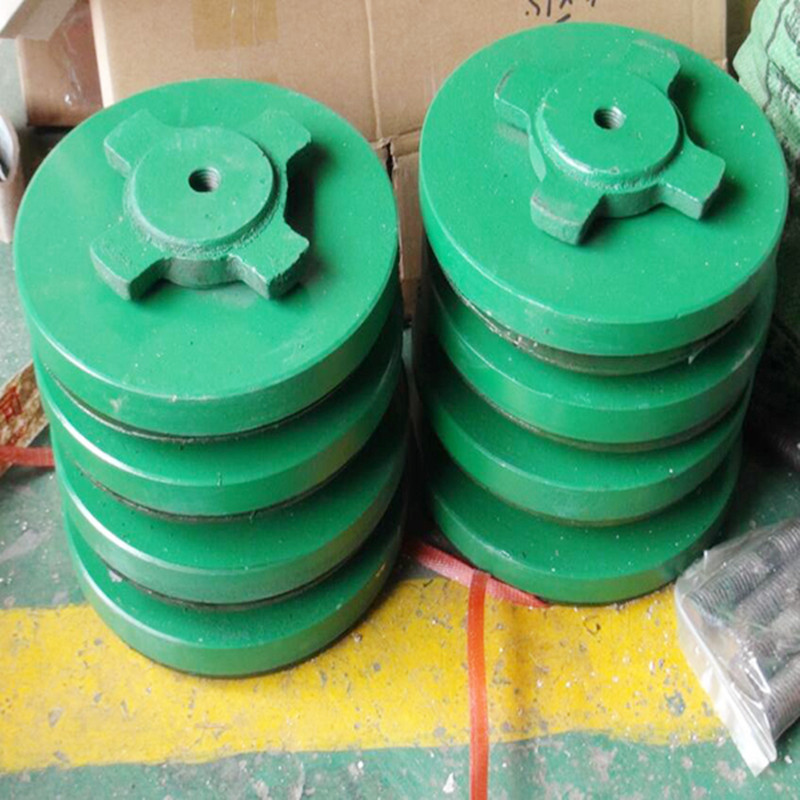
vibration pad price
Understanding Vibration Pad Prices A Comprehensive Guide Vibration pads, also known as anti-vibratio

Válvula de puerta de 450mm
Válvula de compuerta de 450 mm Una Solución Eficiente para el Control de Fluido Las válvulas de comp
water valves on or off
Understanding Water Valves On or Off Water valves play a crucial role in the distribution and regula
 English